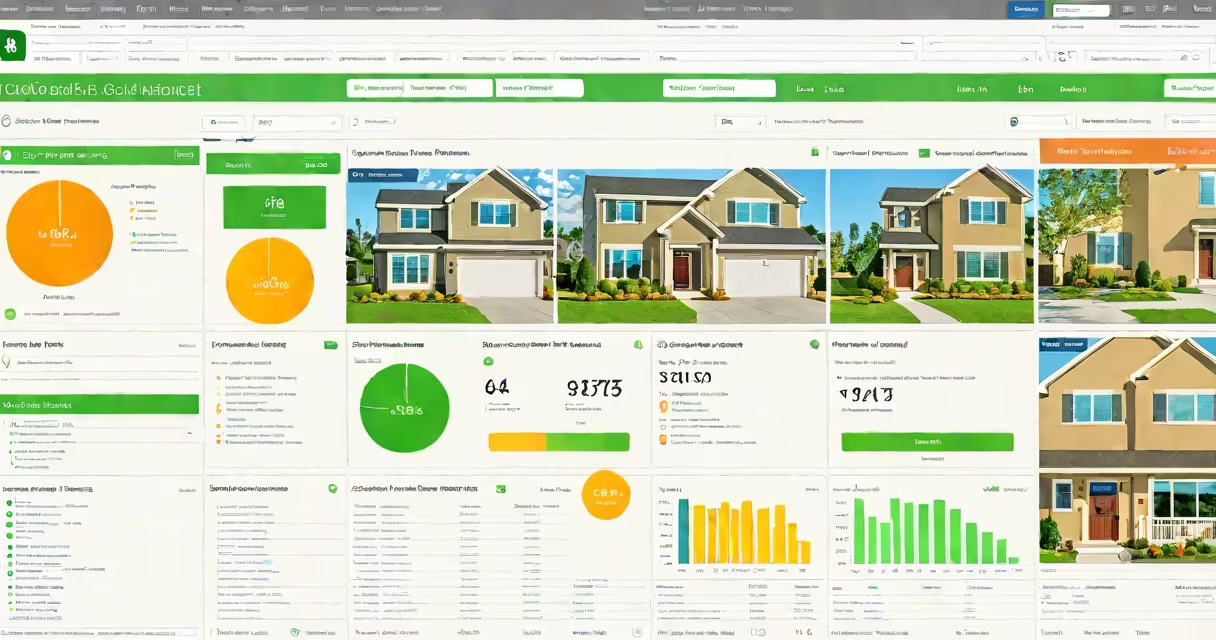
QuickBooks for property management is a cloud-based accounting system tailored to track rental income, manage expenses, and generate financial reports for landlords and property managers. It integrates with bank feeds, supports multiple properties, and automates tasks like rent reminders and deposit logging.
QuickBooks doesn't replace a dedicated property management platform like Buildium or AppFolio-but it handles the financial side of property operations with precision. It's designed for small to mid-sized landlords who manage 1-20 units and want to avoid spreadsheet errors while staying compliant with IRS requirements.
For example, a landlord managing five rental units in Austin uses QuickBooks to record $3,200 in monthly rent, apply $180 in late fees, and log $850 in maintenance costs. The system automatically categorizes transactions, generates a profit-and-loss statement, and exports data to tax preparers-all within 15 minutes per month.
QuickBooks for property management runs on the cloud, accessible via web browser or mobile app. Users set up accounts for each property, assign income and expense categories, and link bank and credit card accounts. Transactions sync automatically, reducing manual entry.
When a tenant pays rent, the system flags the payment, applies any late fees, and updates the ledger. It also tracks security deposits separately from operating funds, which helps meet state-specific deposit regulations. For example, California requires security deposits to be held in interest-bearing accounts and tracked separately-QuickBooks enforces this through custom account settings.
Users can create recurring entries for regular expenses like property taxes ($1,200/year), insurance ($95/month), or HOA fees. The system sends automated reminders 7 days before due dates, helping prevent missed payments and late penalties.
QuickBooks includes several modules that support property management workflows:
These features are available in QuickBooks Online, QuickBooks Desktop Pro, and QuickBooks for Accountants. The online version is recommended for property managers because it allows team access and remote login from any device.
QuickBooks offers different editions, each suited to a different scale of property ownership:
| Version | Best for | Monthly Cost | Property Scale |
|---|---|---|---|
| QuickBooks Online Simple Start | Single-property owner or small investor | $30 | 1-5 units |
| QuickBooks Online Essentials | Landlords managing 6-15 units | $70 | 6-15 units |
| QuickBooks Online Advanced | Property managers with 16+ units or multiple locations | $150 | 16+ units |
QuickBooks Desktop Pro is still used by some older landlords who prefer offline access. However, it lacks real-time collaboration and mobile app support, making it less ideal for teams or remote work.
Another misconception is that QuickBooks replaces a CPA. It doesn't. While it generates accurate financial records, tax filing still requires professional review. The IRS mandates that rental income and deductions be reported correctly-errors can trigger audits. According to the National Association of Tax Professionals, 43% of self-prepared rental tax returns contain errors related to expense classification.
A key distinction: QuickBooks tracks money. It doesn't track physical assets or tenant behavior. For example, it won't flag a unit with 12 months of unpaid rent unless manually reviewed. That's why combining QuickBooks with a property management app improves oversight.
Seabreeze Property Management, a firm managing 18 rental homes in Florida, switched from Excel to QuickBooks Online Essentials in 2022. They had previously spent 12 hours per month reconciling bank statements and tracking late payments.
After setting up QuickBooks, they linked all 18 bank accounts, created custom categories for repairs, utilities, and property taxes, and enabled automatic transaction imports. Rent receipts were uploaded via mobile scan, and late fees applied automatically based on lease terms.
Within six months, the firm reduced accounting time by 60%. They also caught a $2,100 discrepancy in a vendor invoice that had gone unnoticed in spreadsheets. The system flagged the mismatch because the invoice amount didn't match the recorded repair cost.
They now export monthly reports to their accountant, who files Form 1040 Schedule E on time. The firm estimates saving $1,800 annually in accounting fees.
Use QuickBooks for property management if you:
Don't use it if you need:
QuickBooks for property management is not a replacement for property management software. It's a financial engine that powers the backend of rental operations. When used correctly, it reduces errors, saves time, and ensures compliance-with clear results visible in tax filings and year-end reviews.