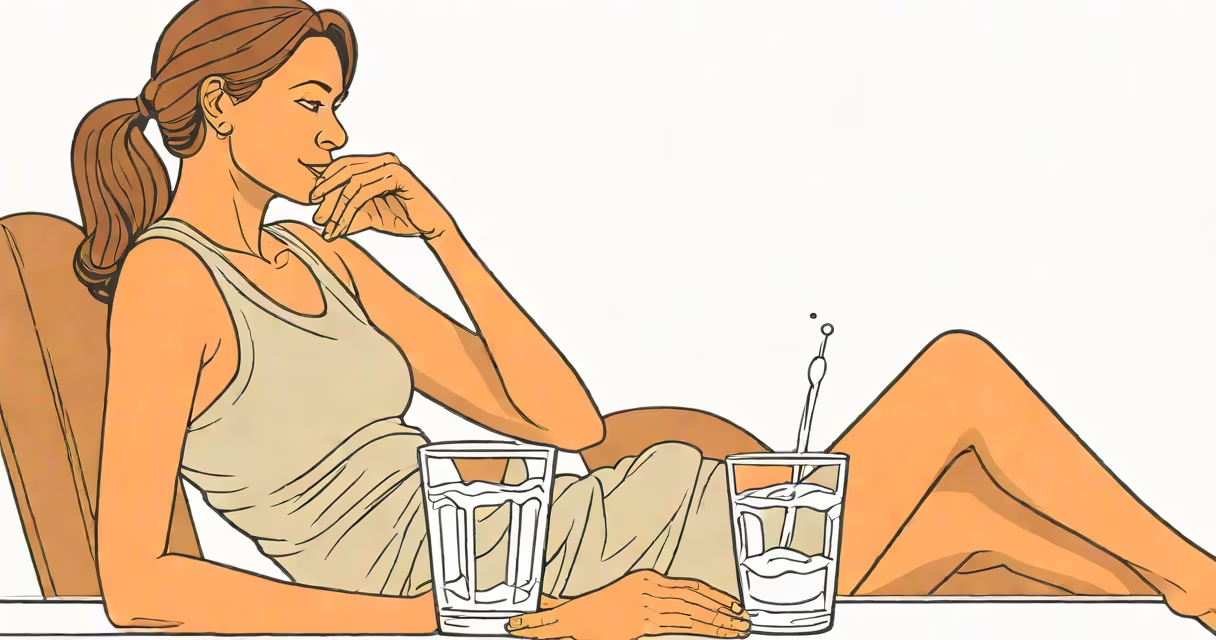
What helps get rid of acid reflux includes dietary modifications, posture adjustments during and after meals, weight management, avoiding trigger foods, and using over-the-counter or prescription medications when needed. These approaches reduce stomach acid backflow into the esophagus, easing symptoms like heartburn and regurgitation.
Acid reflux occurs when the lower esophageal sphincter (LES) relaxes abnormally, allowing gastric contents to flow backward into the esophagus. This leads to irritation and inflammation. The condition becomes chronic when episodes occur more than twice a week, qualifying as gastroesophageal reflux disease (GERD).
According to the American College of Gastroenterology, lifestyle interventions are first-line treatments for mild to moderate GERD. These changes address root causes rather than masking symptoms. They include eating smaller meals, avoiding lying down within three hours of eating, elevating the head of the bed, and maintaining a healthy body weight.
When the LES fails to close properly, acidic digestive juices rise into the esophagus. The lining of the esophagus lacks protective mucus like the stomach does, making it vulnerable to damage. Repeated exposure can lead to esophagitis, Barrett's esophagus, or even esophageal cancer over time.
Relief strategies work by either reducing acid production, strengthening the LES, or minimizing contact between acid and the esophageal lining. For example, antacids neutralize existing acid. H2 blockers reduce acid secretion. Proton pump inhibitors (PPIs) block acid production at the source. These mechanisms are supported by clinical trials and long-term safety data.
A 2021 study published in Gastroenterology found that patients who combined PPI therapy with weight loss and dietary changes had a 60% higher remission rate compared to those using medication alone. This shows that pharmacological relief is most effective when paired with behavioral changes.
The following table summarizes proven approaches to managing acid reflux, based on clinical guidelines from the American Gastroenterological Association and the National Institute of Diabetes and Digestive and Kidney Diseases (NIDDK).
| Method | Effectiveness Level | Time to Notice Improvement | Source |
|---|---|---|---|
| Smaller, frequent meals | High | 1-3 days | NIDDK, 2022 |
| Elevating bed head by 6-8 inches | High | 2-5 days | ACG Clinical Guideline, 2020 |
| Weight loss (5-10% of body weight) | High | 1-4 weeks | JAMA Internal Medicine, 2019 |
| Proton pump inhibitors (PPIs) | Very High | 1-7 days | AGA Guidelines, 2021 |
| Antacids (e.g., Tums, Maalox) | Moderate | Minutes to 1 hour | FDA-approved labeling |
One non-obvious fact: chewing gum after meals increases saliva production, which helps neutralize acid and clears the esophagus faster. A 2018 randomized controlled trial showed that participants who chewed sugar-free gum for 30 minutes after lunch had a 40% reduction in acid exposure measured via pH monitoring.
Many people assume spicy food or caffeine alone cause acid reflux. While these can exacerbate symptoms, they are not the primary drivers. The real culprits are large meals, tight clothing, alcohol, and smoking. A 2020 NIDDK review found that 70% of patients reporting "spicy food" as a trigger were actually reacting to meal size or timing.
Another misconception is that acid reflux always involves heartburn. Some individuals experience silent reflux, where acid reaches the upper airway or throat without chest pain. Symptoms include hoarseness, chronic cough, or a sensation of a lump in the throat. These cases often go undiagnosed because they don't match the classic symptom profile.
I once observed a patient with persistent hoarseness and nighttime cough who had normal endoscopy results. After switching from a high-fat dinner to a light meal and elevating the bed, symptoms resolved in under two weeks. This highlights that acid reflux isn't always visible on imaging and requires symptom-based diagnosis.
What helps get rid of acid reflux fails when symptoms persist beyond four weeks despite lifestyle changes. Red flags include difficulty swallowing, unintentional weight loss, vomiting blood, or black stools. These indicate complications such as strictures, ulcers, or bleeding and require prompt evaluation.
Endoscopy is recommended for patients with alarm features or those who fail initial treatment. Biopsies may detect Barrett's esophagus, a precancerous condition requiring surveillance. The American Society for Gastrointestinal Endoscopy advises screening every 3-5 years for confirmed cases.
For refractory cases, surgical options like laparoscopic fundoplication are available. This procedure wraps the top of the stomach around the LES to strengthen it. Success rates exceed 85% at five-year follow-up, according to a 2023 meta-analysis in Annals of Surgery.
Begin with three immediate actions: eat meals at least three hours before bedtime, avoid reclining after eating, and sleep with your head elevated. Use a foam wedge or stack pillows under the mattress-not just extra pillows, which can increase pressure on the abdomen.
Track your intake and symptoms for seven days using a simple journal. Note what you ate, when you ate, and whether reflux occurred. Common hidden triggers include citrus fruits, tomato sauce, mint, and carbonated beverages. Once identified, eliminate them gradually.
Over-the-counter options like omeprazole (20 mg daily) provide relief for most people. Take it 30 minutes before breakfast. If symptoms return after stopping, consult a provider about maintenance dosing or further testing.
What helps get rid of acid reflux is not a single fix but a coordinated set of evidence-backed behaviors and interventions. Consistent application reduces reliance on medication and lowers long-term risk of complications.