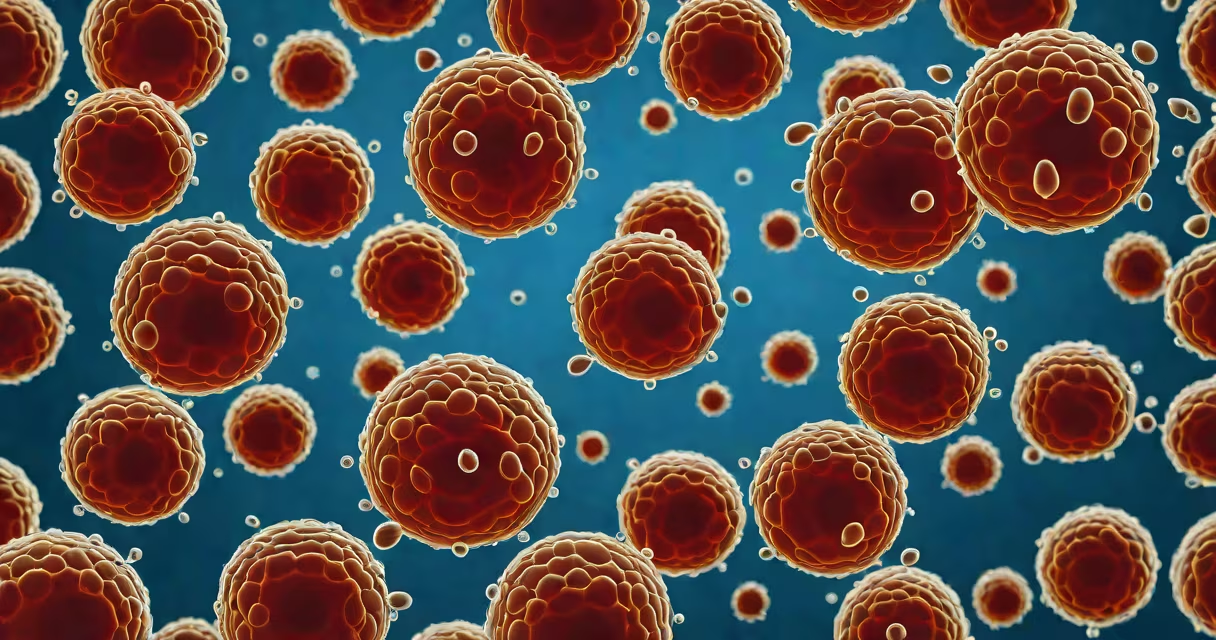
Platelets are tiny blood cells that stop bleeding by forming clots at injury sites. They're essential for wound healing and preventing excessive blood loss.
When a blood vessel is damaged, platelets rush to the area and stick together to form a plug. This plug blocks further blood loss until tissue repair begins. Without platelets, even minor cuts could lead to dangerous bleeding.
Platelets are produced in the bone marrow and circulate in the bloodstream. They're not full cells-they lack a nucleus-but they play a critical role in hemostasis, the process that stops bleeding.
Platelets respond to damage signals like collagen and von Willebrand factor released from injured vessel walls. Once activated, they change shape, extend filopodia, and release granules containing clotting factors such as fibrinogen and ADP.
ADP attracts more platelets to the site, amplifying the response. Fibrinogen binds to receptors on platelets, linking them together into a dense aggregate. This forms a primary hemostatic plug within seconds.
After the plug forms, coagulation factors convert fibrinogen into fibrin strands. These strands reinforce the platelet plug, turning it into a stable clot. The entire process takes less than a minute in healthy individuals.
Platelets are anucleate fragments derived from megakaryocytes-large bone marrow cells. A single megakaryocyte can release 1,000 to 3,000 platelets during its lifespan.
They contain several functional components:
Platelets are typically 2-4 micrometers in diameter-smaller than red blood cells. Their average count in adults ranges from 150,000 to 450,000 per microliter of blood.
Platelets are important in surgical procedures, trauma care, and managing bleeding disorders. Patients undergoing chemotherapy often have low platelet counts and require transfusions to prevent spontaneous bleeding.
For example, a person with idiopathic thrombocytopenic purpura (ITP) may have fewer than 50,000 platelets per microliter. This increases risk of bruising and nosebleeds. Treatment includes steroids or intravenous immunoglobulin to boost platelet production.
During major surgeries like liver transplants, patients receive platelet transfusions to maintain clotting ability. One unit of platelets can raise the count by about 5,000-10,000 per microliter.
Many people confuse platelets with red blood cells. Red blood cells carry oxygen; platelets stop bleeding. Confusing them leads to misunderstanding why anemia differs from thrombocytopenia.
Another misconception is that platelets are only involved in acute injury. In reality, they contribute to chronic processes like atherosclerosis. Activated platelets adhere to plaque in arteries, promoting inflammation and increasing stroke risk.
Studies show platelets release inflammatory mediators that influence immune responses. For instance, research published in Thrombosis and Haemostasis confirms platelets interact with neutrophils to form neutrophil extracellular traps (NETs), worsening sepsis outcomes.
Consider a paper cut on the fingertip. The skin breaks, exposing collagen beneath. Within 10 seconds, platelets bind to the exposed collagen via glycoprotein VI receptors.
They activate, change shape, and release ADP and thromboxane A2. These chemicals attract nearby platelets. By 30 seconds, a platelet plug forms. Within 60 seconds, fibrin strands stabilize the clot.
Over the next few hours, fibroblasts and endothelial cells migrate into the area to repair the tissue. The clot eventually dissolves through fibrinolysis-a process involving plasmin.
Platelets and plasma proteins work together but serve different roles. Platelets form the initial plug; clotting factors (like Factor VIII and prothrombin) generate fibrin to strengthen it.
| Feature | Platelets | Clotting Factors |
|---|---|---|
| Origin | Bone marrow (from megakaryocytes) | Liver (synthesized proteins) |
| Function | Form initial plug; release signaling molecules | Generate fibrin; amplify coagulation cascade |
| Activation time | Seconds | Minutes |
| Deficiency effect | Prolonged bleeding from small wounds | Severe hemorrhage, especially in joints or muscles |
One non-obvious fact: platelets can survive in circulation for 7-10 days. Their lifespan is shorter than red blood cells (120 days), but longer than white blood cells, which vary widely by type.
I once observed a patient with Bernard-Soulier syndrome-a rare inherited disorder-where platelets lack the GP Ib receptor. Even with normal platelet counts, the cells couldn't bind to von Willebrand factor. The result: prolonged bleeding after dental work. This highlighted that quantity doesn't equal function.
Another key point: platelets are not just passive responders. They actively communicate with endothelial cells and immune cells. Research from the National Institutes of Health shows platelets express toll-like receptors, allowing them to detect pathogens and initiate immune responses.
Understanding what do platelets do for your body reveals their role beyond clotting. They're part of the innate immune system, regulate vascular tone, and influence tissue regeneration.