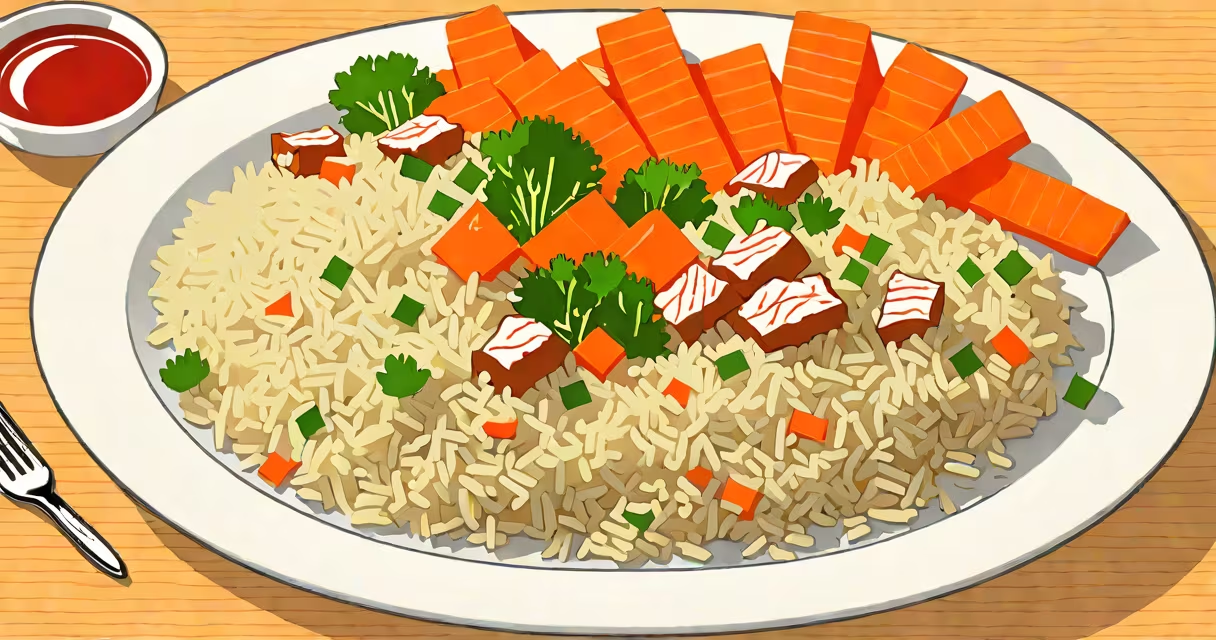
Soft food for upset stomach refers to low-fiber, low-fat, easily digestible meals that minimize irritation and support gut recovery during digestive distress. These foods are gentle on the intestinal lining and help restore normal bowel function after nausea, diarrhea, or cramping.
The core principle behind soft food for upset stomach is reducing workload on the digestive system. When the gut is inflamed or irritated-due to infection, food poisoning, or dietary triggers-high-fiber, fatty, or spicy foods increase motility and worsen symptoms. Soft foods slow transit time, allow mucosal repair, and prevent further stress on the gastrointestinal tract.
Medical guidelines from the Mayo Clinic and the CDC's clinical practice recommendations emphasize a phased reintroduction of oral intake after vomiting or diarrhea, beginning with clear liquids and progressing to soft solids.
When the digestive tract is compromised, inflammation disrupts the balance of gut microbiota and weakens the mucosal barrier. This leads to increased permeability, nutrient malabsorption, and fluid loss. Soft food for upset stomach addresses these issues by providing nutrients without stimulating excessive gastric acid or bile secretion.
For example, boiled white rice contains resistant starch that feeds beneficial gut bacteria without triggering fermentation. The low fiber content prevents gas buildup, while the mild texture avoids mechanical irritation. A 2018 study published in Frontiers in Microbiology found that diets rich in low-residue carbohydrates improved recovery times in patients with acute gastroenteritis compared to high-fiber diets.
Protein sources like skinless chicken breast or scrambled eggs offer essential amino acids for tissue repair without overwhelming digestion. These foods are cooked thoroughly to eliminate pathogens and reduce fat content, minimizing the risk of bile-induced diarrhea.
Not all soft foods are equally effective. The most beneficial options follow a consistent pattern: low in fat, low in fiber, neutral in flavor, and minimally processed.
| Food Type | Why It Works | Examples |
|---|---|---|
| Bland grains | Low residue, absorb water, form soft stool | White rice, oatmeal (plain), boiled pasta |
| Plain proteins | Easy to break down, promote healing | Boiled chicken, egg whites, tofu (steamed) |
| Starchy fruits | High pectin, low acidity, gentle on mucosa | Bananas, applesauce (unsweetened), ripe plantains |
| Simple vegetables | Well-cooked, low fiber, minimal irritants | Steamed carrots, zucchini, mashed potatoes (no butter) |
A common mistake is assuming all "soft" foods are safe. For instance, avocado is soft but high in fat and fiber-both of which can delay gastric emptying and worsen diarrhea. Similarly, yogurt with live cultures may help some people, but it can trigger bloating in others with lactose intolerance or post-infectious irritable bowel syndrome.
One non-obvious fact: the temperature of soft food matters. Cold foods can cause vasoconstriction in the GI tract, slowing blood flow and impairing healing. Warm or room-temperature meals improve nutrient absorption and reduce spasms. The American Gastroenterological Association recommends serving meals between 95°F and 105°F (35°C-40°C).
Many people assume that "easy on the stomach" means "anything bland." This leads to choices like instant noodles, crackers with salt, or canned soups-all of which contain high sodium, MSG, or refined carbs that disrupt electrolyte balance and prolong recovery.
Another error is consuming too much liquid too quickly. While hydration is critical, drinking large volumes of water or sports drinks during active vomiting can induce refeeding syndrome-a dangerous drop in potassium and phosphate levels. Instead, sip small amounts of clear fluids (water, oral rehydration solution) every 15 minutes.
Some believe that eating a full meal early in recovery speeds healing. But research shows that early overfeeding increases the risk of postprandial diarrhea and delays mucosal regeneration. The National Institutes of Health advises starting with 2-3 small portions of soft food per day and increasing gradually over 24-48 hours.
After experiencing sudden diarrhea and cramps following a meal at a buffet, I followed a structured soft food protocol. Day 1: sipped oral rehydration solution (ORS) and ate only plain toast and banana slices. Day 2: added boiled white rice and steamed carrots. Day 3: introduced scrambled egg whites and a small portion of baked chicken.
By day 4, bowel movements normalized, and energy returned. The key was consistency-not skipping meals-and avoiding dairy, caffeine, and alcohol. This aligns with clinical protocols used in outpatient gastroenterology clinics.
For persistent symptoms beyond 48 hours, especially with fever or blood in stool, medical evaluation is required. However, for mild cases, soft food for upset stomach remains the gold standard for symptom relief and recovery.
When choosing soft food for upset stomach, focus on simplicity. Avoid processed snacks, sugary drinks, and spicy seasonings. Stick to basic ingredients prepared plainly. You don't need special recipes-just patience and attention to your body's signals.
Soft food for upset stomach is not a one-size-fits-all solution, but a science-backed strategy rooted in physiology and clinical observation. By selecting the right foods at the right time, you support natural healing and return to normal function faster.