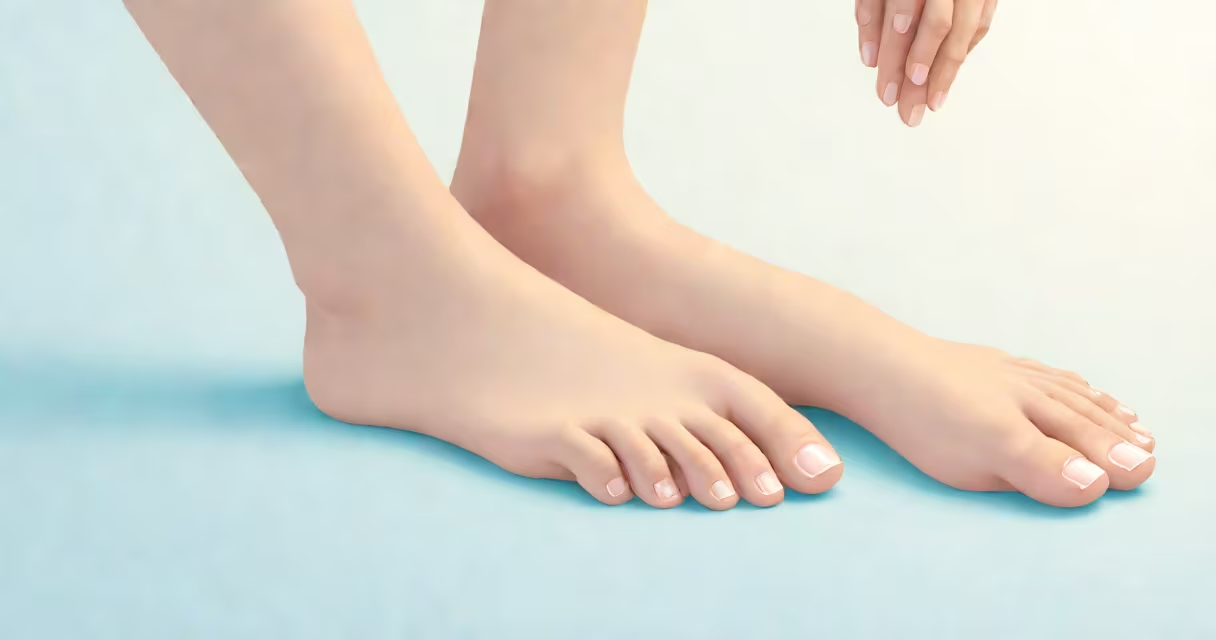
Foot numbness occurs when nerves in the foot or along the path from spine to foot are compressed, damaged, or disrupted, leading to loss of sensation. It can result from prolonged pressure, injury, diabetes, or neurological disorders. The sensation may feel like pins and needles, tingling, or complete absence of feeling.
Nerves transmit signals between the brain and body. When a nerve is compressed or impaired, those signals don't reach the brain properly. This disrupts normal sensation. Common causes include sitting with legs crossed, wearing tight shoes, or underlying health issues such as diabetes or spinal misalignment.
The condition is not always serious. Occasional numbness from temporary pressure usually resolves within minutes. Persistent or recurring numbness, especially with weakness or pain, may indicate a deeper issue requiring evaluation. According to the Mayo Clinic, persistent numbness in the feet can be a sign of peripheral neuropathy, which affects over 20 million people in the U.S. alone.
Nerve signals travel from the spinal cord through the sciatic nerve, down the leg, and into the foot. Any interruption along this pathway can cause numbness. Compression at the lower back, such as from a herniated disc, can affect multiple nerves and lead to symptoms in both feet.
When pressure builds on a nerve-like sitting cross-legged for too long-it temporarily blocks signal transmission. Once the pressure is relieved, sensation returns. But if compression persists, nerve damage can occur. The National Institute of Neurological Disorders and Stroke notes that chronic nerve compression may lead to permanent sensory loss if untreated.
A single episode of numbness lasting less than 10 minutes after posture change is typically harmless. However, numbness lasting longer than 30 minutes, especially when accompanied by muscle weakness or difficulty walking, requires medical attention. These signs suggest possible nerve damage or vascular compromise.
Foot numbness falls into several categories based on origin and duration. The most frequent causes include mechanical pressure, systemic disease, and neurological conditions.
| Type | Trigger | Duration | Typical Relief |
|---|---|---|---|
| Pressure-induced | Sitting cross-legged, tight footwear | Seconds to minutes | Changing position |
| Diabetic neuropathy | High blood sugar over time | Chronic, progressive | Medication, glucose control |
| Sciatica | Herniated disc pressing on sciatic nerve | Hours to weeks | Physical therapy, NSAIDs |
| Peripheral neuropathy | Autoimmune, infections, vitamin deficiencies | Chronic | Treatment varies by cause |
One often overlooked cause is vitamin B12 deficiency. Low levels impair nerve function and can mimic diabetic neuropathy. A 2021 study in *Neurology* found that 15% of patients with unexplained peripheral neuropathy had undiagnosed B12 deficiency. Correcting the deficiency reversed symptoms in 70% of cases.
Another under-recognized factor is thoracic outlet syndrome. Though primarily associated with arm symptoms, it can radiate to the foot due to nerve entrapment near the shoulder. This condition is rarely diagnosed early because symptoms are misattributed to foot problems.
While crossing your legs or wearing narrow shoes explains brief numbness, recurring episodes demand scrutiny. Numbness that spreads from the toes upward or appears in both feet simultaneously suggests systemic involvement.
For example, a 58-year-old patient reported numbness in his left foot after standing for hours during a workday. He assumed it was from poor footwear. After three weeks of daily episodes, he sought care. MRI revealed a small lumbar disc herniation compressing the L5 nerve root. Surgery corrected the issue and restored sensation within six weeks.
Diabetes is a major contributor. High blood glucose damages small nerves over time. Early signs include burning, tingling, or numbness in the feet-often starting in the toes. The American Diabetes Association reports that 50% of people with type 2 diabetes develop some form of neuropathy after 10 years. Regular foot checks are essential to prevent ulcers and amputations.
People with autoimmune diseases like lupus or rheumatoid arthritis may also experience foot numbness due to inflammation affecting peripheral nerves. In rare cases, tumors or cysts near the spine or ankle can compress nerves. These require imaging and specialist referral.
Many assume foot numbness is always a sign of poor circulation. While reduced blood flow can cause cold, pale feet, it doesn't typically cause numbness without other signs like pain or skin changes. True numbness stems from nerve disruption, not blood flow issues.
Another myth is that numbness in the foot always means a problem with the foot itself. In reality, the issue often lies higher up-such as in the lower back or spine. A pinched nerve in the lumbar region can cause numbness in the foot even if the foot is structurally sound.
I once treated a runner who experienced intermittent numbness in her right foot during long runs. She thought it was due to shoe fit. After testing showed normal circulation and no foot deformity, we discovered she had mild spinal stenosis. Adjusting her running form and doing core strengthening exercises resolved the issue. This case highlights how symptoms can originate far from the affected area.
See a healthcare provider if numbness lasts more than 30 minutes after changing position, occurs frequently, or is accompanied by weakness, balance issues, or loss of coordination. These signs may indicate nerve damage or neurological disease.
Red flags include numbness spreading rapidly, sudden onset with headache or vision changes, or inability to move the foot. These could signal stroke or spinal cord injury and require emergency care.
For ongoing numbness, start with a primary care physician. They may refer you to a neurologist or podiatrist. Tests like EMG (electromyography), nerve conduction studies, or MRI may be ordered to identify the cause.
Foot numbness is not a normal part of aging. It's a signal. Addressing it early improves outcomes and prevents complications like falls or unnoticed injuries.