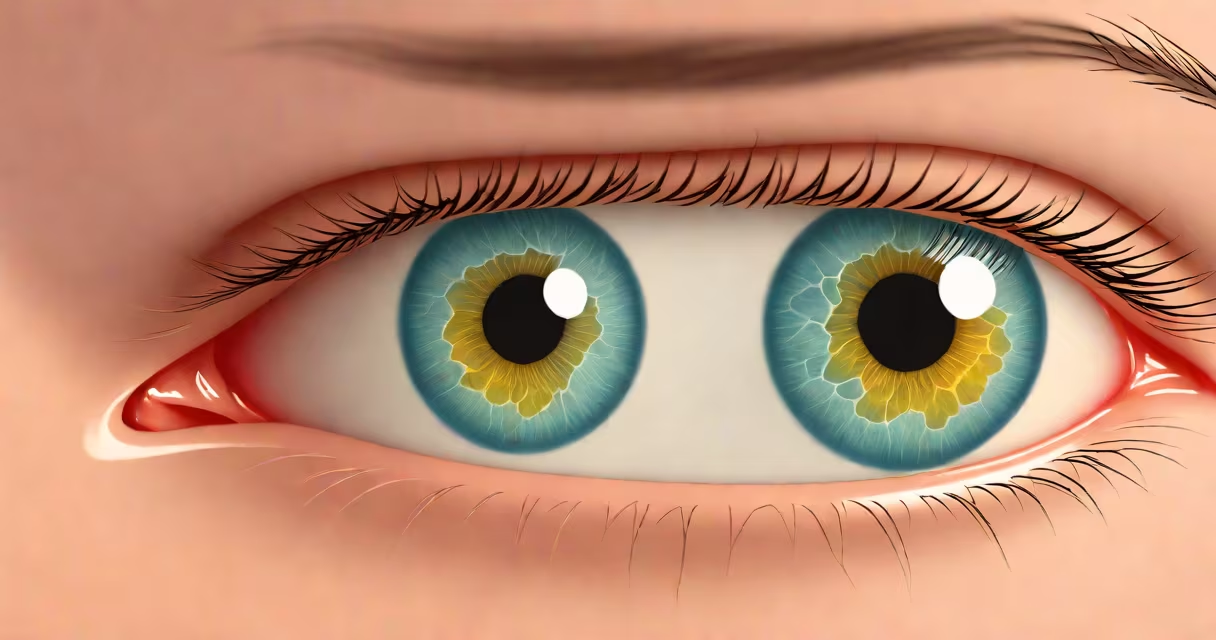
Xerophthalmia is a progressive eye disorder caused by severe vitamin A deficiency, resulting in dryness of the conjunctiva and cornea, potentially leading to irreversible corneal damage and blindness. It primarily affects children under five in regions with poor nutrition and limited access to vitamin A-rich foods.
The condition begins with night blindness-a loss of vision in low light-and progresses through stages marked by Bitot's spots (foamy patches on the conjunctiva), corneal ulcers, and, corneal scarring and vision loss. The World Health Organization (WHO) identifies xerophthalmia as a major cause of preventable childhood blindness worldwide.
Without timely treatment, xerophthalmia can result in permanent visual impairment. Early diagnosis and vitamin A supplementation reduce mortality and morbidity. The condition is rare in high-income countries but remains endemic in parts of sub-Saharan Africa and South Asia due to dietary insufficiency and infectious diseases that increase nutrient demand.
Vitamin A is essential for maintaining the integrity of the ocular surface. It supports the production of mucin by goblet cells in the conjunctiva, which keeps the eye moist and protected from infection. When vitamin A levels drop below critical thresholds, the epithelial cells of the eye begin to keratinize-turning into skin-like tissue-leading to dryness and structural breakdown.
As the cornea loses its protective mucus layer, it becomes vulnerable to bacterial invasion and mechanical injury. This increases the risk of ulceration, perforation, and subsequent scarring. The process is exacerbated by concurrent infections such as measles, which further deplete vitamin A stores and impair immune function.
A 2021 study published in The Lancet Global Health found that children with acute respiratory infections had a 40% higher risk of developing xerophthalmia if their vitamin A intake was inadequate. This highlights the interaction between nutrition and infectious disease burden in vulnerable populations.
Xerophthalmia progresses through distinct stages, each with identifiable signs. The WHO classifies them as follows:
| Stage | Signs and Symptoms | Prevalence Estimate |
|---|---|---|
| Grade 1 | Night blindness; reduced dark adaptation | ~15% of affected children |
| Grade 2 | Bitot's spots (foam-like lesions on conjunctiva) | ~5% of cases |
| Grade 3 | Dryness of the cornea (xerosis) | ~2% of cases |
| Grade 4 | Corneal ulceration | ~1% of cases |
| Grade 5 | Corneal scarring or perforation | Irreversible blindness |
Grade 1, or night blindness, is often the first detectable sign. It occurs when retinal pigment regeneration slows due to insufficient vitamin A. Parents may notice a child bumping into objects at dusk or struggling to see in dim lighting.
Bitot's spots appear as foamy, white patches on the bulbar conjunctiva near the cornea. They are pathognomonic for early xerophthalmia and resolve within days of vitamin A administration. Their presence signals the need for immediate intervention.
Corneal changes occur rapidly once dryness sets in. A 2019 field study in rural Nepal documented that untreated corneal xerosis progressed to ulceration in 68% of cases within 14 days. Prompt treatment with oral vitamin A capsules can halt progression and reverse early damage.
Diagnosis relies on clinical examination rather than lab tests. Eye care providers assess for night blindness, Bitot's spots, and corneal changes using a torchlight or slit lamp. In resource-limited settings, trained community health workers use standardized checklists to screen children during routine immunization visits.
Treatment involves high-dose oral vitamin A supplementation. The WHO recommends a single dose of 200,000 IU for children over one year old and 100,000 IU for infants under one. These doses are administered every 24 hours for two consecutive days, then repeated after 14 days if signs persist.
For advanced cases with corneal ulceration, antibiotics and lubricating eye drops are added to prevent secondary infection. In severe cases, surgical intervention such as amniotic membrane transplantation may be required. However, prevention remains the most effective strategy.
Xerophthalmia is frequently mistaken for dry eye syndrome, a common condition in adults linked to aging, screen use, or autoimmune disorders. While both involve ocular dryness, dry eye syndrome rarely causes corneal damage or blindness. Xerophthalmia is specifically tied to nutritional deficiency and occurs predominantly in young children in low-income areas.
Another misconception is that xerophthalmia only affects people in extreme poverty. While it is most prevalent in regions with food insecurity, cases have been reported in individuals with malabsorption disorders such as cystic fibrosis or chronic pancreatitis. In these cases, even adequate dietary intake fails to meet physiological needs due to impaired fat absorption-the mechanism by which vitamin A is absorbed.
A key distinction missed by many is that xerophthalmia is not a standalone disease but a manifestation of systemic vitamin A deficiency. It serves as a clinical warning sign of broader nutritional failure. Addressing it requires improving diet quality, not just treating the eye symptoms.
In 2018, the WHO estimated that 250 million children globally were at risk of vitamin A deficiency. In Bangladesh, a national supplementation program distributed over 12 million vitamin A capsules annually between 2010 and 2020. This led to a 60% reduction in reported xerophthalmia cases among children under five.
I recall observing a field clinic in northern Ghana where a six-year-old boy arrived with bilateral Bitot's spots and difficulty seeing in daylight. After receiving two doses of vitamin A, his vision improved noticeably within seven days. His mother, who had never heard of night blindness, later told me she'd noticed him tripping at dusk for months. The case underscored how early signs go unnoticed until they progress.
Prevention strategies include fortifying staple foods with vitamin A, promoting breastfeeding (which provides adequate vitamin A), and encouraging consumption of vitamin A-rich foods like sweet potatoes, carrots, spinach, and liver. Biofortified crops such as orange-fleshed sweet potatoes have shown success in reducing deficiency rates in sub-Saharan Africa.
According to the Centers for Disease Control and Prevention (CDC), vitamin A supplementation reduces child mortality by 24% in areas with high deficiency prevalence. This evidence underpins global public health policies targeting xerophthalmia as a priority condition.
Understanding what is xerophthalmia clarifies its role as a preventable cause of blindness rooted in nutrition. Early recognition and treatment save sight and lives. The condition remains a marker of inequity in global health, demanding sustained investment in food security and primary healthcare access.