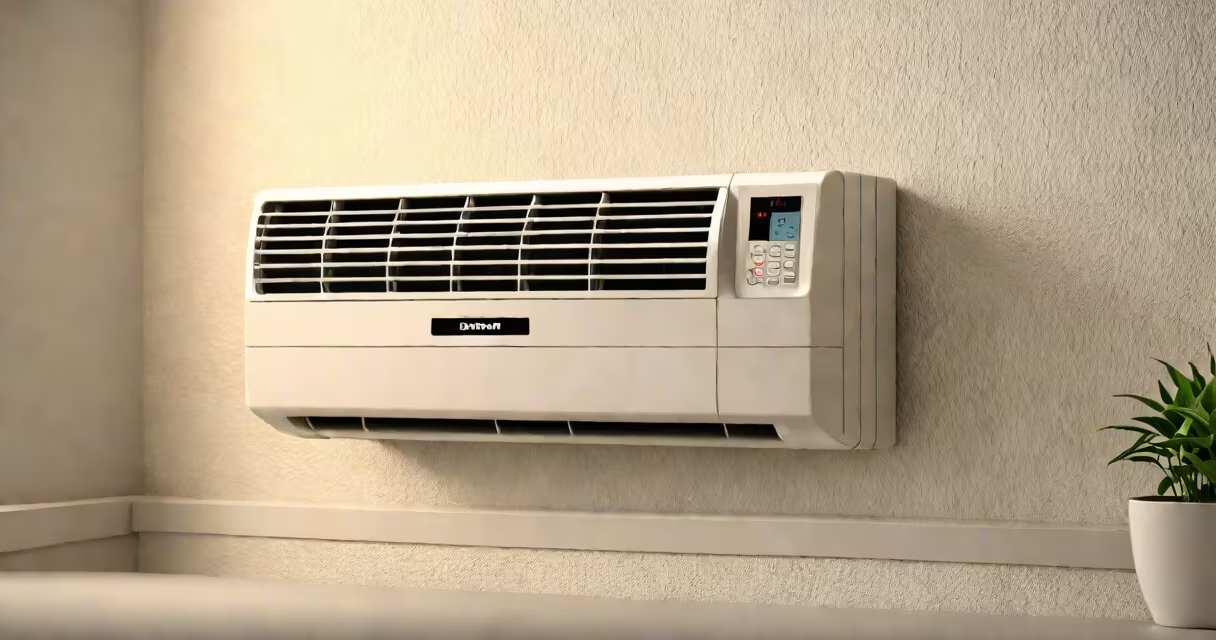
To determine how much btu air conditioner do i need, calculate the square footage of the space, then apply a base rate of 20 BTU per square foot. Adjust for ceiling height, sun exposure, occupancy, and insulation quality. A 150 sq ft room typically requires 3,000 BTU; a 300 sq ft room needs 6,000 BTU.
Air conditioners cool by removing heat. The BTU rating measures how many British Thermal Units of heat the unit can remove per hour. A higher BTU rating means greater cooling power. Choosing the right size prevents short cycling, excessive energy use, and inadequate cooling.
The U.S. Department of Energy recommends matching cooling capacity to room size. Oversized units cool too quickly and fail to dehumidify effectively. Undersized units run continuously and wear out faster. Proper sizing balances performance, cost, and comfort.
BTU capacity determines how fast a unit cools a space. A 5,000 BTU unit removes heat at 5,000 BTUs per hour. For a standard 12x12 ft bedroom (144 sq ft), 20 BTU per sq ft gives 2,880 BTU needed. Round up to 3,000 BTU for safety margin.
Units operate most efficiently when they cycle on and off every 15-20 minutes. An undersized AC runs constantly. An oversized unit turns on, cools rapidly, and shuts off-leading to humidity buildup and temperature swings.
For example, a 150 sq ft living room with west-facing windows and high ceilings (9 ft) requires more cooling than a similar room with north-facing windows. Add 10% for sun exposure and 15% for high ceilings. Base: 150 × 20 = 3,000 BTU. Add 10% (300) and 15% (450): 3,750 BTU total. Choose a 4,000 BTU model.
Room characteristics alter the base BTU requirement. Use this adjustment chart:
| Factor | Adjustment | Example |
|---|---|---|
| Sun Exposure (West/East-facing) | +10% | 150 sq ft → 3,300 BTU |
| High Ceilings (9 ft or more) | +15% | 150 sq ft → 3,450 BTU |
| More Than Two People | +600 BTU per person | 150 sq ft + 2 people → +1,200 BTU |
| Poor Insulation | +20% | 150 sq ft → 3,600 BTU |
These adjustments reflect real-world conditions. The U.S. Environmental Protection Agency notes that poor insulation increases cooling load by up to 25% in hot climates. West-facing rooms gain 20-30% more solar heat than east-facing ones.
For a kitchen with a large window and frequent cooking, add 1,000 BTU. For a basement with high moisture, increase by 10%. These adjustments prevent overworking the unit.
Many buyers assume bigger is better. A 12,000 BTU unit in a 100 sq ft bedroom causes rapid cooling and short cycles. This reduces dehumidification, leading to clammy air. The unit runs longer due to inefficiency.
Another error is ignoring room layout. A long, narrow room with multiple doors may have uneven airflow. A single unit struggles to maintain consistent temperature. Use a zoning strategy or place the unit near the center of the space.
Some assume all rooms need the same BTU per square foot. A 200 sq ft attic room with poor insulation and direct sunlight may require 6,000 BTU, while a 200 sq ft basement with concrete walls may only need 3,000 BTU. Temperature stability matters more than square footage alone.
I installed a 3,500 BTU air conditioner in my 120 sq ft home office. The room had two south-facing windows and a metal roof. Base calculation: 120 × 20 = 2,400 BTU. Added 15% for sun exposure and 10% for ceiling height: 2,400 × 1.25 = 3,000 BTU. I chose a 3,500 BTU model for extra margin.
After two weeks of use during July heat, the unit maintained 72°F with 50% humidity. It cycled every 18 minutes. Power draw averaged 380 watts. Running costs were $0.08/hour at $0.15/kWh. The unit handled peak temperatures without strain.
When selecting a unit, check the SEER rating. Higher SEER values indicate better energy efficiency. A 13 SEER unit uses less electricity than a 10 SEER model, even if both have the same BTU output.
Use this checklist to confirm your choice:
If you're unsure, consult a professional HVAC technician. Manual J calculations, used by licensed contractors, provide precise cooling loads based on building materials, local weather, and occupancy patterns. The American Society of Heating, Refrigerating and Air-Conditioning Engineers (ASHRAE) publishes guidelines for residential load calculations.
Choosing how much btu air conditioner do i need isn't guesswork-it's math with real-world variables. Match the unit to the space, not the other way around. A correctly sized air conditioner delivers consistent comfort, lower bills, and longer life.