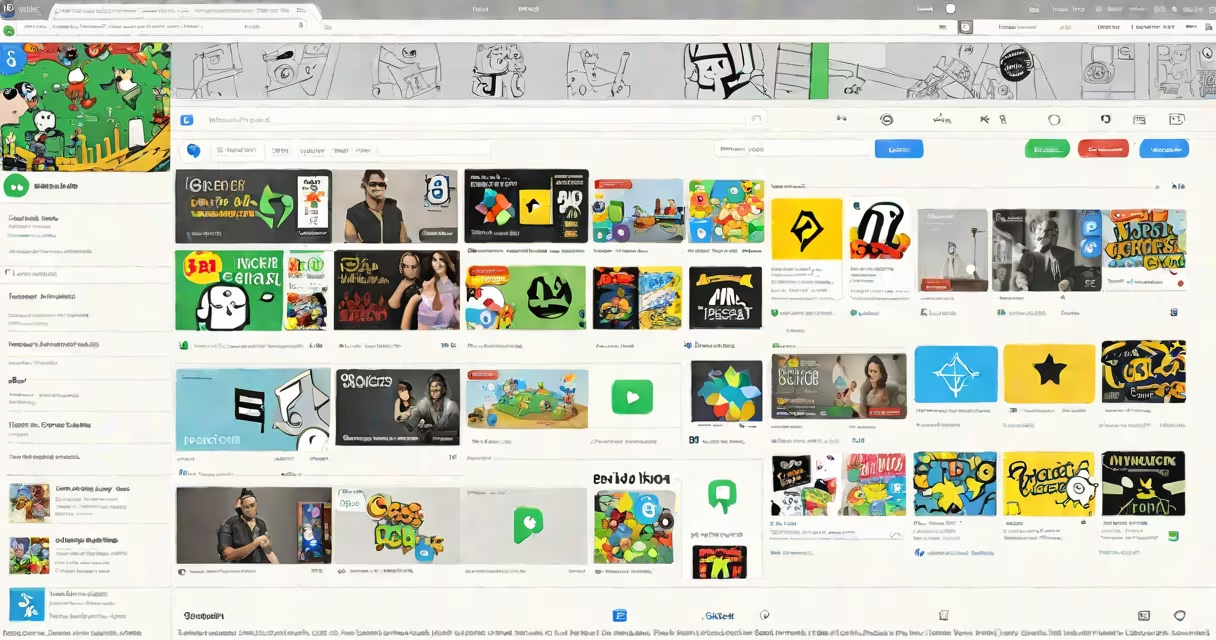
The Play Store desktop site is the web-based version of Google's official app marketplace for Android devices, accessible through any modern browser on a computer. It allows users to search for, view details about, and manage Android applications without needing a smartphone or tablet.
Unlike the mobile app, the desktop site doesn't install apps directly onto a device. Instead, it serves as a discovery and management portal. Users can check app ratings, read reviews, view screenshots, and see system requirements-all from a larger screen with better navigation tools. The site supports account login via Google, enabling access to purchased apps, subscriptions, and download history.
Google launched the web version of the Play Store in 2016 as part of its effort to unify access across platforms. While not all features available on the mobile app are present-such as in-app purchases or direct installation-the desktop site provides a functional alternative for users who prefer managing their app library from a computer.
When you visit the Play Store desktop site, you're prompted to sign in with your Google Account. Once authenticated, the interface displays your library of installed and previously purchased apps. You can filter results by category, sort by popularity or rating, and use advanced search terms to locate specific apps.
Each app page includes a detailed description, developer information, permissions list, changelog, and user reviews. The site also shows compatibility status for your current device, though this feature is limited compared to the mobile app, which checks hardware specs automatically.
For users with multiple devices, the desktop site syncs with your Google account. This means that if you uninstall an app on your phone, it appears in the "All" tab under your library on the desktop site. Conversely, installing an app from the desktop site triggers a notification to your linked Android device to begin downloading.
The site runs entirely on client-side JavaScript and relies on Google's backend APIs to serve app metadata, pricing, and user-specific data. It uses responsive design principles, adapting layout based on screen size and input method (mouse vs touch).
Content delivery is handled through Google's global CDN infrastructure. App icons, screenshots, and promotional banners are cached and served efficiently. The site uses OAuth 2.0 for authentication and JWT tokens for session management, ensuring secure access to personal data.
Behind the scenes, the Play Store desktop site shares the same database and catalog as the mobile app. This ensures consistency in app availability, pricing, and regional restrictions. However, the web interface omits certain features-like in-app purchases, subscription trials, and app updates initiated from the web-to prevent accidental or unauthorized actions.
Users rely on the Play Store desktop site primarily for research and organization. A student might compare productivity apps before installing them on their phone. A parent may review game content ratings before approving downloads for a child's device. A developer can analyze competitor apps' descriptions and update logs.
Businesses use it to audit employee-owned devices. IT departments can verify that apps comply with corporate security policies by reviewing app permissions and user feedback. Some organizations even integrate the site into internal documentation portals using embedded links to app pages.
For travelers, the desktop site offers a way to plan app usage abroad. By checking region-specific availability, users avoid frustration when arriving in countries where certain apps aren't offered. According to Google Support, over 70% of users access the Play Store web version at least once a month for browsing or managing their libraries.
Many assume the Play Store desktop site installs apps directly to a computer. That's incorrect. The site only displays information and manages cloud-linked app states. Installing apps requires an Android device or a compatible emulator.
Another misconception is that the desktop site supports all mobile features. It does not. For example, you cannot use the web version to enable "Find My Device," set up parental controls, or access Google Play Pass. These functions remain locked to the mobile app.
A lesser-known fact: the desktop site does not show real-time app availability changes. If an app becomes unavailable due to regional restrictions or developer removal, the site may still display it until the cache refreshes-typically within 24 hours. This delay can lead to false expectations.
There are two primary ways to access the Play Store desktop site:
| Method | Access Point | Use Case | Limitations |
|---|---|---|---|
| Direct URL | play.google.com |
Quick browsing, public searches | No access to private library unless logged in |
| Google Account Dashboard | Account settings → Apps & games | Managing purchased apps, viewing install history | Requires account setup; less intuitive for new users |
I've personally used the Play Store desktop site while traveling in Southeast Asia. I needed to reinstall a language-learning app on my phone but couldn't find it in the local mobile store. Using the desktop site from a hotel laptop, I located the app, confirmed it was available in my region, and triggered the download on my phone via a push notification. The process took under five minutes.
The Play Store desktop site is not a replacement for the mobile app. It's a companion tool designed for discovery, research, and basic management. If you want to install or update apps, you still need an Android device. But for checking reviews, comparing features, or auditing your app library, the desktop site delivers a faster, clearer experience than a small-screen mobile interface.
Understanding this distinction prevents wasted time and confusion. The Play Store desktop site exists to support, not replace, your mobile workflow.